laptop ensemble
-
✴︎

I and my laptop orchestra at NYU, new_LOrk, will visit Lafayette College to collaborate with Professor Akiva Zamcheck and his students. I am going to run a workshop on April 25 where we will build a VCO (Voltage Controlled Oscillator) and aim to use it for a collaborative performance on April 26. The program for the concert on the 26th will include Christian Wolff’s “Stones,” John Cage’s “Radio Music,” a new piece by my student Aiko Matsuda, who is currently a senior Biology major. She will utilize her cell photos and transform them into a graphical score. Additionally, I will…
-
✴︎
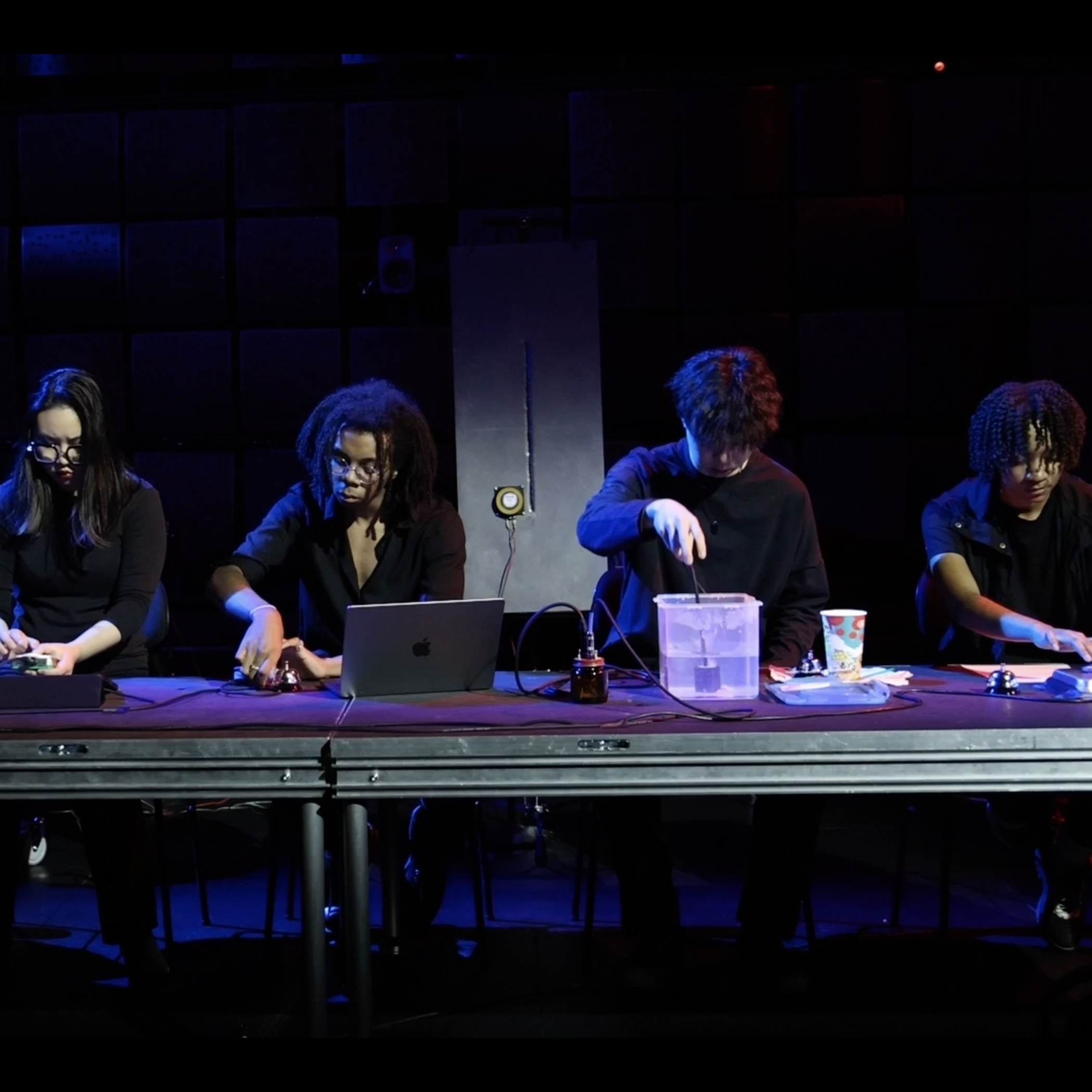
When I started new_LOrk (New York University Laptop Orchestra), I planned to write a piece that I and my students could play together. I envisioned music that we could freely explore various sonic possibilities, yet still within a musical system where we could listen to each other and share musical ideas. reciprocal response was rooted in that initial inspiration. At the beginning of designing this musical system, I considered using a feedback system utilizing piezoelectric microphone and exciter. However, over time, I modified the plan as I wanted to create tactile Music Interaction interfaces that my students can touch and…
-
✴︎
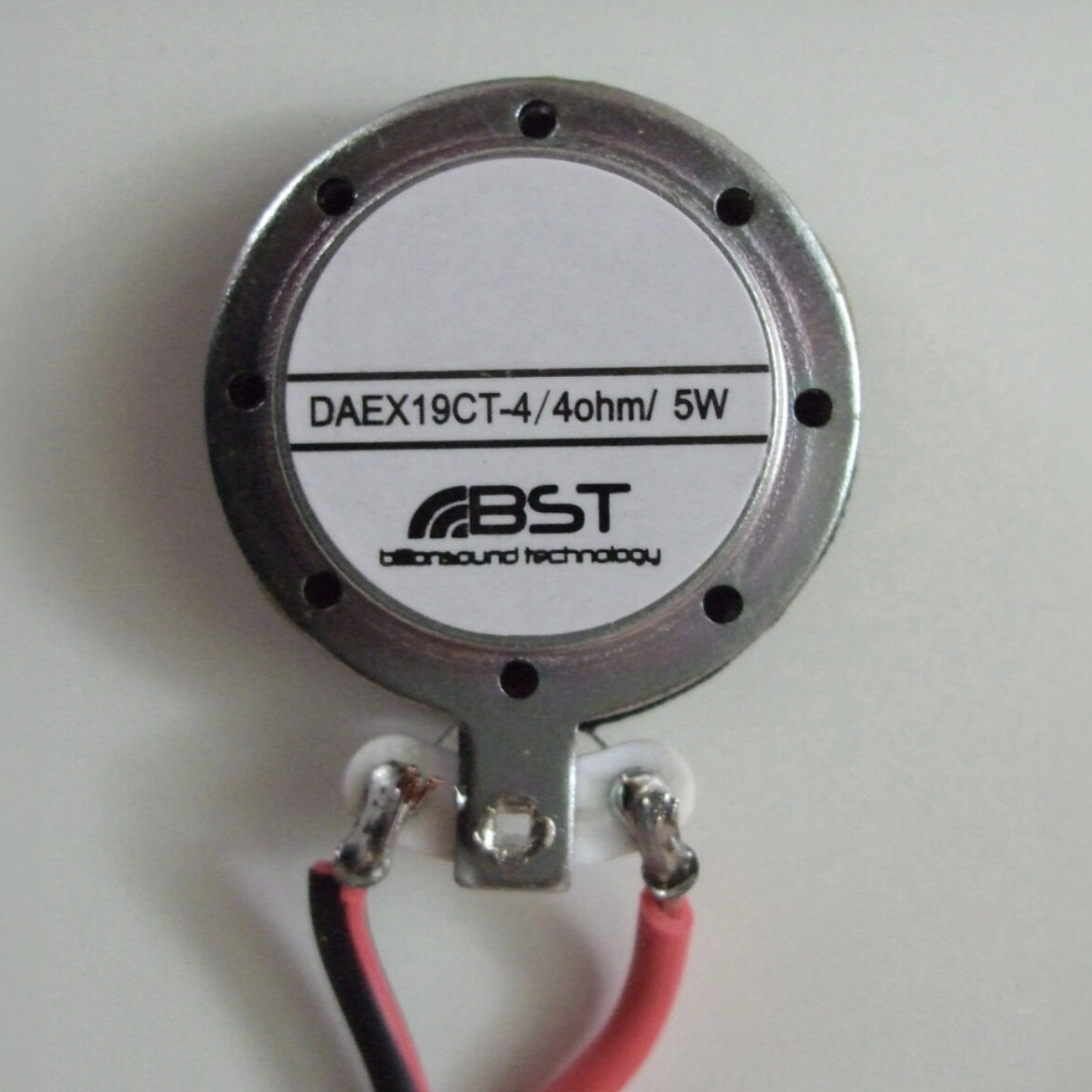
In early November, I submitted two proposals to the Reembodied Sound 2024 Festival and Symposium at EMPAC, Rensselaer Polytechnic Institute (February 2-3, 2024). I am delighted to share the great news that both of my proposals have been accepted. The first proposal I submitted was for a presentation titled ‘Sonic Explorations: Transducers, DIY Interfaces, and the Evolution of Laptop Orchestras.’ In this presentation, I will share what my new_LOrk has researched on transducers as input and output. I will discuss and demostrate how transducers have been developed as DIY user interfaces in our setup and how this has helped us…
-
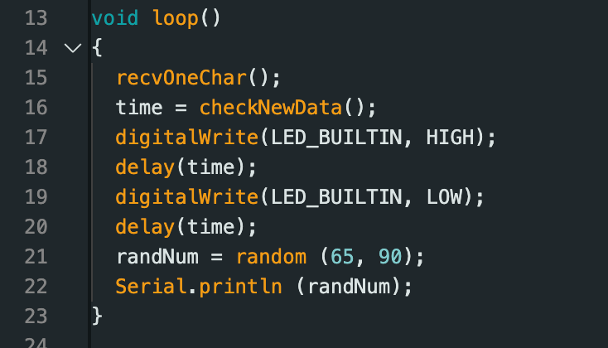
This document is intended to elucidate the basic concept of using the serial port in Max and Arduino. It aims to simplify complex programming techniques, enabling readers to grasp the essence easily and transition seamlessly into more advanced applied programming, building upon the knowledge gained from other available tutorials. Understanding what we are sending and receiving First, we need to comprehend what we are actually sending and receiving. Serial communication involves sending and receiving one byte at a time. A byte consists of 8 bits. In decimal, 8 bits can represent a number between 0 and 255. In hexadecimal, it…